
Why Tesla’s Autonomous Tech Raises Complex Legal Questions
- Aug 15, 2025
- 4 min read

Ever driven through Miami traffic and wondered if life would be easier if your car just took the wheel? Between unpredictable drivers, constant construction, and sudden rainstorms, many think autonomous technology could be a relief. But as these vehicles hit more roads, they bring new legal puzzles that go far beyond whether a ride feels safer. In this blog, we will share why Tesla’s self-driving features are forcing courts, lawmakers, and drivers to rethink responsibility.
The Shift from Driver to Passenger
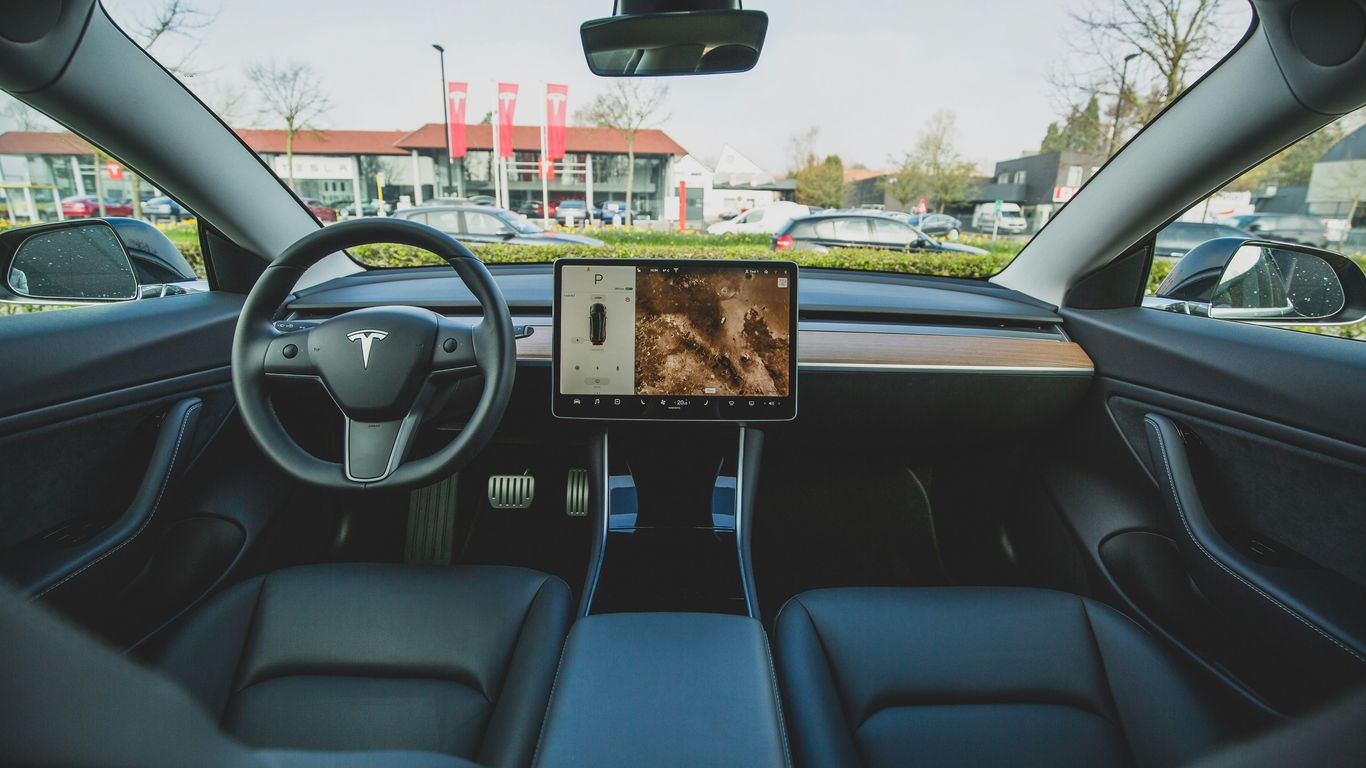
Tesla’s autonomous systems promise convenience, but they blur lines of liability in ways traditional traffic laws were never designed to handle. When a vehicle can accelerate, brake, and steer itself, determining who is responsible during a crash becomes far more complicated. Is it the driver who was supposed to remain alert, the manufacturer who developed the software, or both?
Regulators have struggled to keep up with how fast this technology has advanced. Laws that govern roads were built for human decisions, not machine learning and over-the-air updates that change how a vehicle behaves overnight. As accidents involving semi-autonomous vehicles receive national attention, companies, drivers, and even insurers are watching closely to see how these cases set precedents. Hiring a Miami Car Accident Lawyer from Bernstein & Maryanoff Injury Attorneys can help drivers navigate these evolving legal issues, especially as responsibility often gets debated among multiple parties.
The challenge deepens because Tesla’s system is marketed as an assistive tool, not full automation. Drivers are expected to remain engaged, but the vehicle’s capabilities can create a false sense of security. Courts have already seen cases where drivers misunderstood the limits of the system, leading to collisions that became legal battlegrounds over shared fault.
Software That Changes Overnight
Traditional cars rarely change once they roll off the lot. Autonomous-capable Teslas, however, can receive updates that alter braking patterns, steering assistance, or even how the system reacts to obstacles. These updates raise a new legal issue: how can fault be assigned when the behavior of the car can shift without the owner fully understanding the impact?
Some updates improve safety, while others roll out features still labeled as “beta.” In recent years, regulators have questioned whether releasing unfinished features to the public creates liability when something goes wrong. It’s not a scenario lawmakers accounted for when drafting decades-old traffic statutes. For businesses and drivers alike, the lack of legal clarity is a real risk.
Insurance companies face their own headaches here. Premiums are typically calculated based on a driver’s history, but how do you weigh the role of constantly evolving software? Some providers are now requiring policyholders to disclose whether their vehicles have self-driving features, not just for safety data but because litigation involving these cars tends to be more complex and expensive to settle.
Shared Responsibility Becomes the Norm
Tesla’s system, like most semi-autonomous platforms, is designed to keep the human in the loop. Alerts prompt drivers to keep their hands on the wheel, and warnings state that full attention is required. Yet the nature of automation often encourages overreliance, which has led to drivers using the tech in ways it wasn’t intended, such as distracted driving under the assumption the car will correct mistakes.
In many cases, legal outcomes have reflected shared fault. Drivers can be cited for negligence if they fail to remain attentive, even when the vehicle was steering or braking autonomously. At the same time, manufacturers have faced lawsuits when software glitches or limitations contributed to an accident. The complexity of sorting through these claims has made each case a test of how far current laws can stretch to fit new realities.
Attorneys handling these disputes now work with technical experts to analyze vehicle logs and software behavior, adding layers of investigation unheard of in conventional car accidents. This detailed evidence can reveal whether the driver ignored alerts, whether the system malfunctioned, or if both failures converged to cause the event. These findings influence liability, settlements, and how future regulations will be shaped.
Public Perception Versus Reality
Public opinion often complicates matters further. Autonomous features are frequently viewed as either miracle solutions that eliminate human error or ticking time bombs that make roads more dangerous. Neither perspective reflects the nuanced truth, but both influence juries, lawmakers, and how these cases are argued in court.
High-profile incidents tend to dominate headlines, which has led to broader scrutiny of how Tesla markets its technology. Critics argue that terms like “Full Self-Driving” imply capabilities the system doesn’t actually deliver. That gap between branding and reality fuels both legal disputes and calls for stricter oversight from federal and state regulators.
Meanwhile, consumers continue to adopt the technology at growing rates, partly because they believe it reduces their risk of accidents. Ironically, this belief can lead to more legal complexity when crashes occur, as drivers argue they relied on a system they assumed could handle emergencies better than they could. Courts must then weigh personal responsibility against the influence of marketing and software design.
The Push for New Legal Frameworks
The legal system is slowly catching up, but most current traffic laws treat autonomous technology as an accessory rather than a core component of driving. Some states have started drafting rules to address these gaps, focusing on issues like mandatory data logging, minimum engagement requirements, and clear disclosures for features still in testing phases.
Industry leaders have called for uniform standards to replace the patchwork of state-level rules, arguing that consistency would benefit manufacturers, insurers, and drivers alike. Without these standards, litigation remains unpredictable, and each high-profile case risks setting a precedent that could conflict with rulings elsewhere.
For now, businesses and individuals operating Tesla vehicles with autonomous features must remain proactive. That includes staying current on software changes, reviewing state-specific guidelines, and consulting legal counsel when incidents occur. Until regulations evolve to match the pace of the technology, each case will continue to hinge on careful analysis of the car’s data and the driver’s behavior, rather than clear-cut laws.
Tesla’s innovations reflect a broader trend in how automation is reshaping daily life, but they also expose how slowly institutions adapt to rapid change. These vehicles promise safer roads in the long run, yet the growing pains will be felt in courtrooms, insurance offices, and legislative chambers for years to come. Navigating that landscape will require as much attention as the road itself, even if the car is doing most of the driving.

Comments