
Best Pet Seat Covers for the Tesla Model Y Juniper: Fit, Features and Buying Guide
Key Takeaways
The right pet seat cover depends less on a long feature list than on how your dog rides and what you need to protect. Confirm fit for your exact Model Y Juniper configuration before buying.
Check that a listing explicitly fits your 2025–2026 Model Y Juniper and seating configuration.
Choose a hammock, bench, or seat-back style to match where your pet rides.
Look for stable attachment, suitable coverage, and cleaning instructions you can live with.
Keep seat belts, airbags, folding sections, and other vehicle functions accessible.
Treat waterproofing and durability claims as listing details to verify, not assumptions based on appearance.
1. Best overall custom-fit Tesla Model Y Juniper 2025-2026 pet seat cover
For an all-around choice, start with the cover that fits your exact rear-seat layout and protects the areas your pet actually uses. “Custom fit” is useful only when the listing names the 2025–2026 Juniper and your seating configuration; refresh generations and trims can differ. A well-matched cover should stay in place without making routine seat use awkward.
A quick comparison of the main styles can help narrow the field before you get lost in material claims.
Cover style | Useful when | Check before buying |
|---|---|---|
Hammock | Your dog rides across the rear bench | Headrest attachment and seat-belt access |
Bench | You want to cover the seating surface | Coverage at the seat edges |
Split or fold-compatible | You use the rear seats in different combinations | Independent folding and pass-through access |
Front-seat cover | A pet rides beside you | Fit, secure attachment, and safe driving setup |
The table is a starting point, not a substitute for the seller’s fitment details. For broader trip planning, road-trip accessories can help you think about cabin and cargo needs beyond the seat itself. A cover that protects the upholstery but blocks a buckle or interferes with a seat section is not the right all-around choice.
2. Best hammock-style cover for keeping dogs in the rear seat
A hammock-style cover spans the rear bench and often reaches toward the front-seat headrests, creating a wider protected surface than a simple bench pad. It can make sense for a dog that shifts around, especially when you want to catch fur and dirt across more of the seating area. Check how the sides attach and whether the cover leaves the seat belt buckles reachable.
A hammock is not a substitute for an appropriate pet restraint, and a loose or poorly fitted cover can slide under a moving dog. Look for clear attachment points, a non-slip underside if specified, and an opening or arrangement that allows the seat belts to be used. A waterproof dog seat cover is one category to compare if liquid resistance and wipe-clean care matter to you; verify the current listing for its exact fit and stated features.
For a dog that likes to look forward or needs closer interaction, a hammock with a mesh divider may be worth considering if the listing explicitly includes one. If it does not, don’t assume a familiar hammock design has that feature. Prioritize a secure fit and a calm, safe riding setup over extra panels that may not suit your vehicle.
3. Best bench cover for quick trips and everyday protection
A bench cover protects the rear seating surface without extending into a full hammock, so it can feel simpler for routine errands and short drives. It may be a good fit for a pet that settles on one part of the bench rather than roaming across the cabin. Measure and compare the listed dimensions, since a cover that is too small can leave the seat edges exposed.
Ease of fitting and removing matters if you use the rear seats for people as often as for a dog. Check whether the straps attach around the headrests and whether the cover has openings for buckles. For a broader look at seat protection, pet seat cover options offer another useful comparison point for muddy paws, fur, spills, and everyday messes.
Before choosing a low-profile design, consider what happens after a wet walk or a shedding-heavy ride. Some covers can be wiped down, while others may have different care instructions; use the seller’s stated cleaning guidance rather than guessing from the fabric. A washable-looking surface is not proof that the whole cover is machine washable.
4. Best fold-compatible cover for access to rear seats
A cover designed to work with folding seat sections is useful when the rear cabin regularly changes jobs. You may need room for a passenger, a long item, or the center pass-through on one drive and a protected seat on the next. Look for a listing that explains how the cover handles individual seat sections rather than relying on a product photo alone.
These checks help distinguish genuine access features from a single sheet that may bunch when the seats move:
Confirm whether each seat section can fold independently.
Check that the center pass-through and armrest remain usable if you need them.
Look for clear openings around seat-belt buckles and anchors.
Review installation notes to see whether the cover must be removed before folding.
That small bit of homework can prevent a cover from turning a flexible rear row into a permanent one-piece surface. The same habit of checking what a product actually supports applies across categories, whether comparing RCS messaging options or seat-cover construction: rely on the described functions, not the broad label. If folding access is essential, choose a product whose current listing spells it out.
5. Best waterproof cover for muddy paws and spills
For regular park trips, rain, or the occasional spilled water bowl, a waterproof cover may be a practical choice. Still, the word “waterproof” can refer to a particular surface or layer, so read the seller’s materials and care information closely. Coverage matters too: liquid that runs off an uncovered edge can still reach the upholstery.
Think about the messes you usually bring home and how you prefer to clean them. A smooth surface may be quicker to wipe, while seams and folds can collect hair and grit. For cleaning products and tools, an interior cleaning kit guide can help you plan a routine without assuming every cleaner is suitable for every cover material.
After a muddy outing, remove loose dirt before wiping the cover so grit is less likely to spread across the fabric. Let the cover dry as directed before putting it back in place, and check that its attachment points have not shifted. These basic habits matter at least as much as choosing a surface advertised for wet conditions.
6. Best heavy-duty cover for claws, fur, and wear
A heavy-duty cover is worth considering if your dog travels often, sheds heavily, or tends to dig at the seat before settling down. Look for materials and construction details stated in the listing, including the areas covered and how the cover attaches. “Heavy duty” by itself does not tell you how a product will perform against a particular dog’s claws.
For everyday wear, stable coverage and straightforward cleanup are often more useful than a thick-looking pad that shifts around. Check whether the backrest, seat base, and exposed edges are covered, then compare the care instructions with your routine. If protection extends into the cargo area, a rear seat-back cover is a separate option to investigate; confirm its stated compatibility and folding design before purchase.
It also helps to think beyond the seat surface when a larger dog rides in the back. For example, the Tesla Model Y Juniper Trunk Threshold Strip is described as safeguarding the trunk against scratches and scuffs. That is a cargo-area accessory, not a pet seat cover, but it may be relevant if your dog steps across the trunk threshold.
7. Best front passenger seat cover for solo drives with a pet
A front-seat cover can suit an owner whose pet rides beside them, but the setup needs extra care. Choose only a cover listed for the front seat and check its instructions for seat controls, seat belts, and airbag areas. If the product information is unclear about safe compatibility, keep looking rather than assuming a universal cover will work.
Some owners may also be comparing comfort accessories for the cabin. Tesla Neck Headrest Pillows are described as adjustable memory-foam pillows with soft vegan leather and an easy-clean design; they are a separate comfort product, not a pet restraint or seat cover. Keep your attention on driving and use a pet travel setup that does not interfere with safe operation of the vehicle.
Before you settle on a front passenger arrangement, consider whether your pet can remain calm and secure there, or whether the rear seat is more appropriate. Review the cover’s fit instructions and your vehicle’s safety guidance, and do not let a pet obstruct your view or controls. A cover should support a safe setup, not encourage a distracting one.
8. Best cover with door-panel protection for restless dogs
Some covers include side flaps that extend over part of the door area, which can help catch fur and dirt where a restless dog leans. Check the product photos and dimensions to see how much of the door they actually cover. A seat cover with side panels is not necessarily a complete door protector.
Attachment is particularly important when a dog paws at the cover or shifts from side to side. Look for the stated strap locations and any information about keeping the panels in place, then consider whether the design still lets doors open and close normally. Avoid assuming a side flap will stay put simply because it appears wide in a product image.
If your dog tends to scratch or push at the door, a cover may reduce direct contact but cannot prevent damage in every situation. Try the setup while parked, check that the cover does not obstruct handles or controls, and adjust it before setting off. Choose coverage that suits your dog’s habits rather than paying for panels you will not use.
9. Best seat-back and cargo-area cover for larger pets
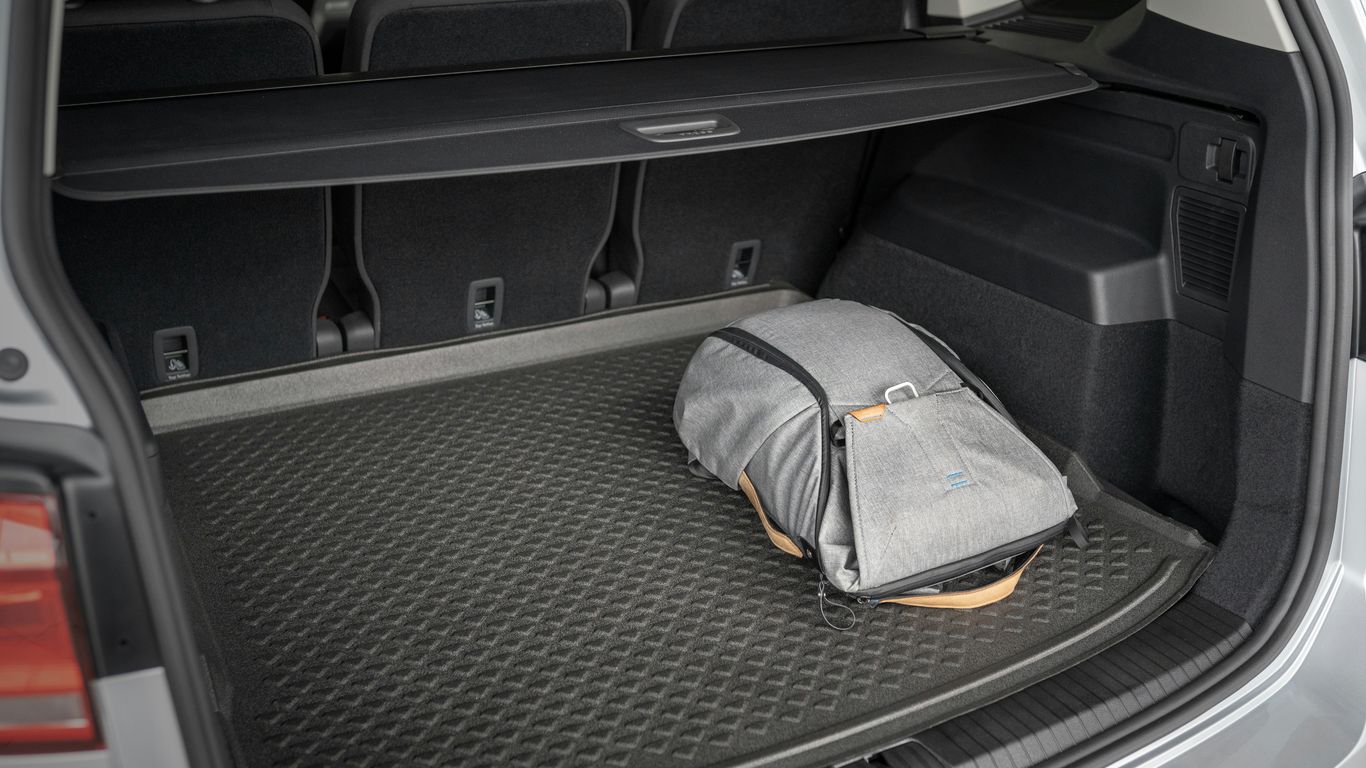
Larger dogs can spread dirt and hair across both the rear seat and the cargo area, so a seat-back or cargo cover may be more useful than a small bench pad. First decide where your pet rides most often, then compare the coverage shown in the product listing. A rear seat-back protector is a distinct item from a cover for the seat cushion, and one should not be assumed to include the other.
The Tesla Model Y 2025 Juniper Rear Trunk Side Storage Box is described as fitting in the trunk’s side compartments and being easy to install and remove. It is for storage, not pet restraint or upholstery protection, but may help keep smaller travel items organized near a cargo cover. A separate Juniper seat-back cover is described as a three-piece leatherette cover that allows individual seat sections to fold; verify fitment and current seller details before buying.
For another cargo detail, the Juniper Trunk Threshold Strip is described as helping safeguard the trunk against scratches and scuffs. Treat these accessories as possible complements to a properly chosen pet cover, not substitutes for one. If the dog rides in the cargo area, confirm that the cover fits that area and still allows you to secure your pet appropriately.
10. Best budget-friendly, easy-clean cover for occasional use
For occasional trips, a straightforward cover may be enough, provided it fits the vehicle and can be cleaned in a way that suits your routine. Compare what is included, how it attaches, and the listed care instructions rather than judging only by price or appearance. Read current seller information for pricing, availability, and return terms, since those details can change.
The wider world of buying guides covers very different decisions, from sofa beds and electric scooters to safari destinations and custom ChatGPT setups; in each case, the useful choice depends on the job at hand. For pet travel, that means starting with fit and coverage, then weighing how often you will use the cover and how much cleanup it saves. You can also browse accessory options when considering related cabin or cargo needs.
A lower-cost option can be sensible if your pet rides only now and then, but check the attachment points and edge coverage before relying on it. If you expect frequent muddy trips or heavy shedding, a sturdier or more comprehensive design may better suit your routine. In either case, follow the product’s cleaning instructions and inspect its fit after installation.
Choose Your Next Accessory
Explore the model- and category-based accessory guides to compare practical options for your Tesla, then confirm the exact fit and seller details before purchasing.
Conclusion
A good pet seat cover for the Model Y Juniper is the one that matches your pet’s riding spot, protects the surfaces you care about, and leaves essential seat functions accessible. Verify the exact model-year fit, read the care and installation details, and choose a design you will actually keep using.
Frequently Asked Questions
How do I choose the right pet seat cover?
Start with where your pet rides, how much of the cabin you need to cover, and how often the cover will need cleaning. Then compare dimensions, attachment points, and the seller’s compatibility information.
Are universal seat covers a safe choice?
A universal label does not confirm fit for a particular seat or vehicle. Check the product’s stated compatibility and ensure the cover does not interfere with seat belts, airbags, controls, or other safety features.
Is a hammock cover better than a bench cover?
Neither style is best for every trip. A hammock covers more of the rear seating area, while a bench cover is a simpler surface protector; choose based on your pet’s movement and the coverage you need.
What should I look for in a waterproof cover?
Read the material and care details to understand what the seller means by waterproof, and check whether the cover protects the areas exposed to spills. Secure fit and adequate edge coverage matter as well.
Can I fold the rear seats with a pet cover installed?
That depends on the specific design. Look for explicit details about independent seat folding, center pass-through access, and whether the cover must be removed first.
How should I clean a pet seat cover?
Follow the care instructions provided with the product. Remove loose fur and dirt carefully, and do not assume a cover is machine washable unless the seller says so.
Does a seat cover replace a pet restraint?
No. A seat cover protects surfaces; it is not a restraint. Use an appropriate pet travel setup and make sure it does not interfere with safe driving or vehicle functions.

Comments