
Accessories to Bring on Tesla Delivery Day
Key Takeaways
Delivery day is mainly about arriving prepared, inspecting carefully, and leaving with the basics you need for the first drive.
Bring your phone, documents, identification, and enough battery for the appointment.
Pack simple inspection tools such as a flashlight, microfiber towels, and a camera.
Protect the interior without installing permanent accessories before acceptance.
Prepare for charging, tire checks, navigation, weather, and the drive home.
Confirm fit for your exact Tesla model and year before buying accessories.
Build your Tesla delivery day kit
A good delivery-day kit is small, practical, and easy to reach. You do not need to bring every accessory you may eventually buy; the goal is to support the handoff and your first few hours of ownership. A little preparation also leaves more attention for checking the vehicle itself. For broader preparation, this Tesla delivery guide can help you organize the day before pickup.
Phone with the Tesla app installed and logged in
Bring a fully charged phone with the Tesla app installed, updated, and logged in to the account used for the order. Keep a charging cable nearby as well, since the app may be useful during account setup, vehicle access, or delivery communications. A power bank is worthwhile if you expect to spend time inspecting the car outdoors.
Charging cable, power bank, and reliable internet access
Pack the cable that fits your phone and a power bank with enough charge for the appointment and trip home. Reliable internet access can also make setup less frustrating, especially if you need to download an update, confirm account details, or check directions. If the delivery location has weak service, save important information before leaving home.
Delivery documents, order details, and identification
Keep your identification, insurance information, payment or financing details, and order documents together in one folder. Check the vehicle information against your order before accepting anything, and have a pen available for notes. A printed or saved copy of a delivery checklist can make it easier to move through the handoff without relying on memory.
Comfortable clothing and enough time for a careful inspection
Wear shoes and clothing that let you walk around the vehicle, crouch near the wheels, and sit in every seat comfortably. More valuable than a large pile of accessories is an unhurried appointment. Leave room in your schedule for questions, photographs, and a second pass through anything that looked unusual.
Use tools to inspect the exterior
Exterior inspection is easier when you can see the paint and glass from several angles. Delivery areas may have uneven lighting, dust, or weather that hides small marks, so simple tools are useful. The point is not to turn the handoff into a forensic examination; it is to document the vehicle’s condition clearly and calmly.
Flashlight for checking paint, glass, wheels, and panel gaps
A compact flashlight helps you look across paintwork, into wheel areas, and along the edges of glass and trim. Use it at an angle rather than pointing it straight down, since angled light can reveal marks that overhead lighting misses. Check the wheels and the spaces around doors, the charge port, and other exterior openings.
Microfiber towels for spotting dust, residue, or moisture
Bring clean microfiber towels to gently clear away dust or moisture when you need a better view of a surface. Use a light touch and avoid rubbing a questionable spot aggressively. The towel is primarily for visibility, not for correcting or polishing the finish at the appointment.
Paint thickness gauge for buyers who want a deeper inspection
A paint thickness gauge is optional for buyers who are comfortable interpreting its readings. It can add another reference point when a surface looks inconsistent, but it is not necessary for most deliveries and should not replace a visual inspection. If you bring one, record readings methodically rather than drawing conclusions from a single measurement.
Camera or phone tripod for documenting the vehicle’s condition
Your phone camera is usually enough to record the exterior, wheel faces, glass, and any area you want to remember. Photograph the full vehicle first, then take closer images that show the location and detail of a concern. A small tripod can help with steady images, while a note app can pair each photograph with a short description.
Bring accessories for the interior
Interior accessories are tempting to install the moment the vehicle is unlocked, but delivery day is better suited to inspection and planning. Bring only items that help you examine or protect the cabin without hiding its condition. Products such as organizers, floor protection, and screen protection can be selected later after you confirm the exact model and interior layout.
Screen protector and cleaning cloth for the touchscreen
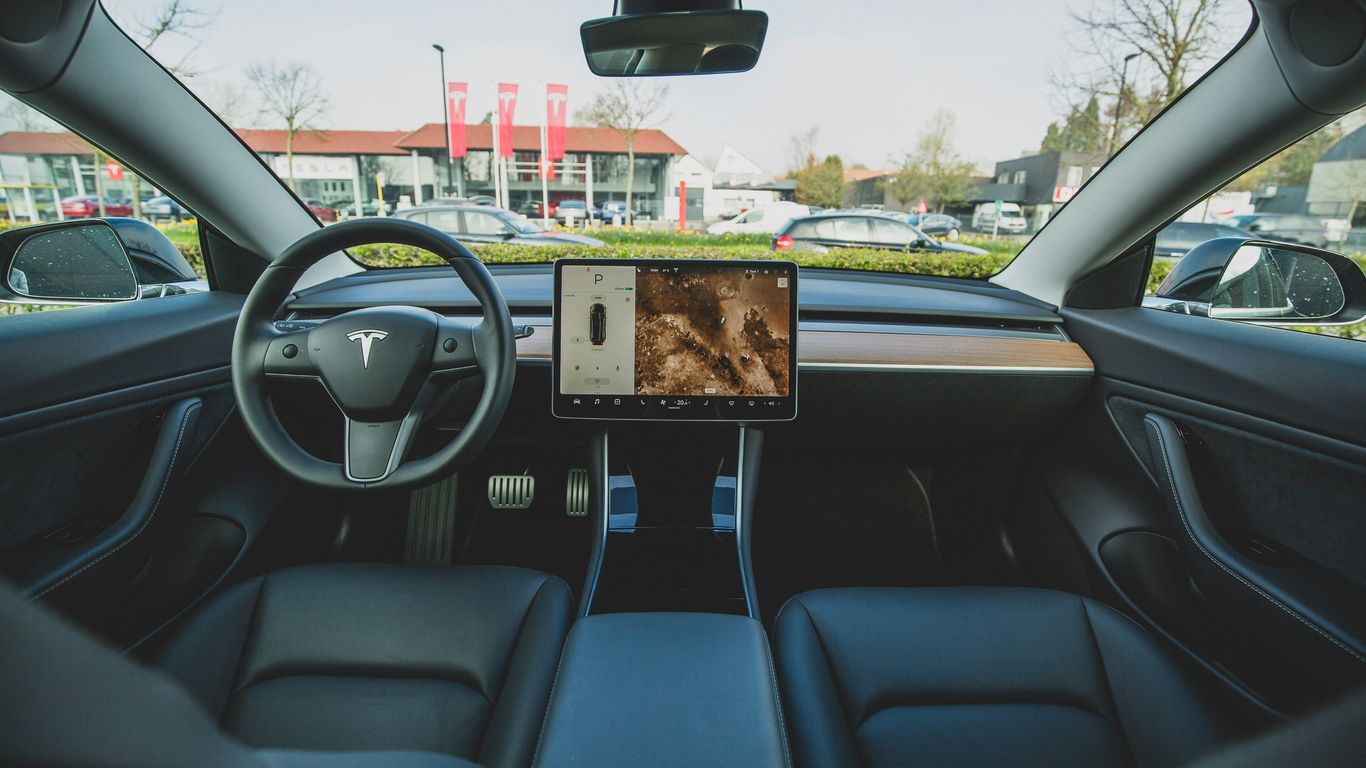
A screen protector can be useful for reducing concern about everyday scratches, while a clean, soft cloth helps you inspect the touchscreen before applying anything. Check that the display responds normally and that the surface is clean before installation. Browse the site’s Model 3 accessories when you are ready to compare screen protection with other model-specific options.
Seat and floor coverings for protecting a new cabin
Temporary seat and floor coverings make sense if you are driving straight home in wet, muddy, or sandy conditions. Keep them loose and removable during the inspection so they do not conceal upholstery, carpet, or trim. Permanent floor mats, seat covers, and liners can wait until you have confirmed the fit and decided what your daily use requires.
Small flashlight for inspecting seats, carpets, and storage areas
A second, small flashlight is handy inside the cabin, especially under seats and in trunk or door storage areas. Look over stitching, carpets, trim edges, seat belts, and compartments before placing bags or protective products inside. Good lighting makes it easier to distinguish normal shadows from marks or debris.
Storage organizers to test available space without installing them
Bring a tape measure or an uninstalled organizer only if you want to understand how much usable space is available. Test the shape and access of the console, door pockets, trunk, or frunk before ordering several pieces. AccessoriesForTesla.com organizes storage and interior products by model and category, which is useful once you know which spaces you actually want to improve.
Prepare for charging and the drive home
The first drive can be short, but it still deserves a little planning. Know where you expect to charge, keep basic tire equipment accessible, and avoid assuming that every adapter or cable will suit every setup. A delivery-day checklist that includes charging preparation is helpful when your pickup route extends beyond familiar roads.
Compatible charging adapter for your home or destination
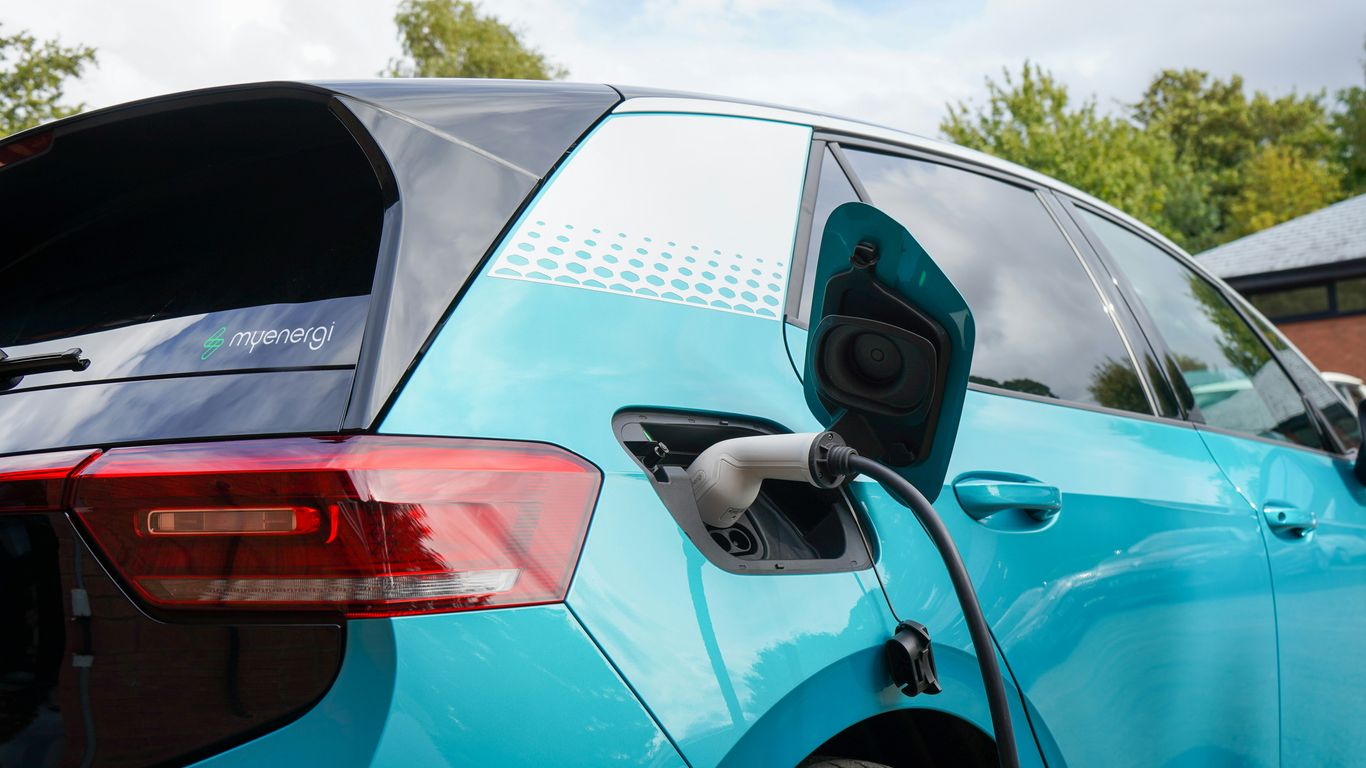
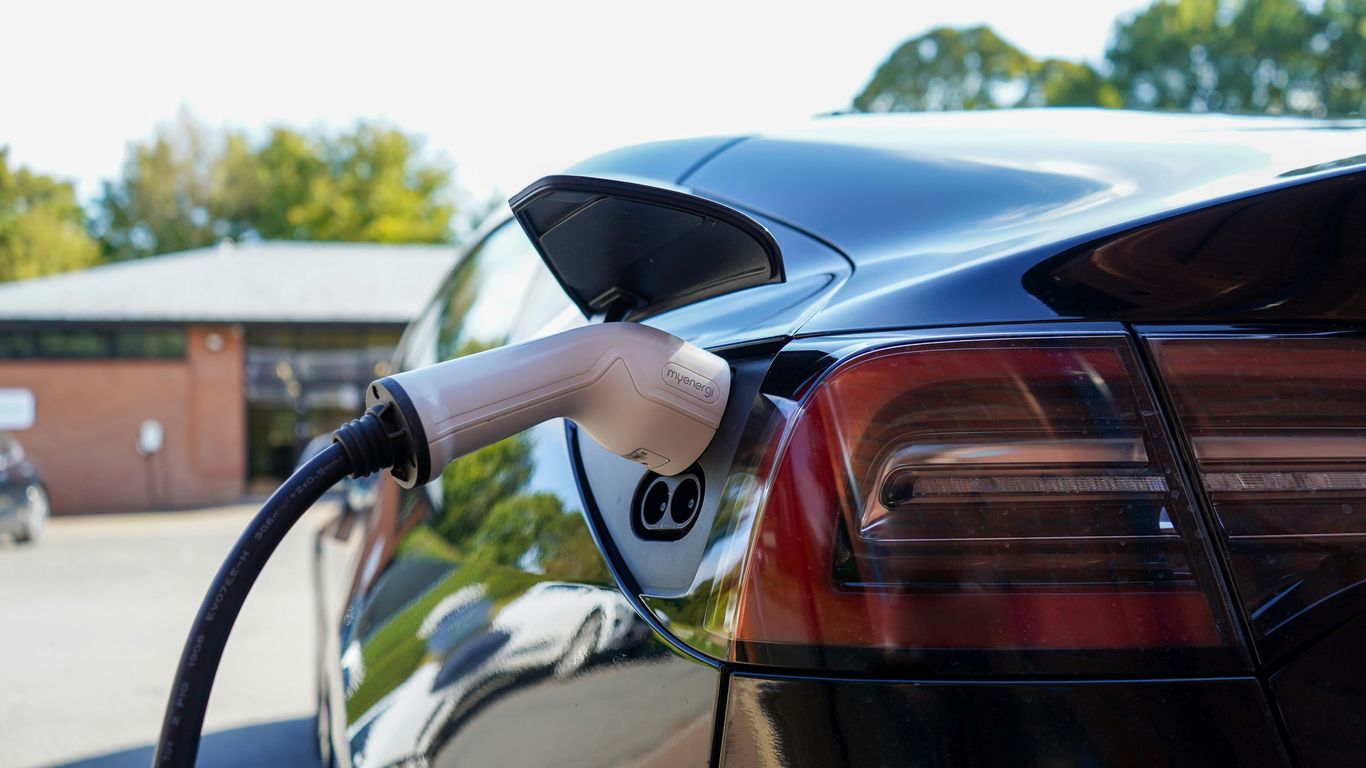
Bring the adapter or cable you already know is compatible with your planned charging location, if you have one. Confirm the connector and outlet arrangement before leaving home rather than discovering a mismatch after the appointment. If your home charging setup is not ready, identify a backup destination and save its address in advance.
Portable tire inflator and tire pressure gauge
A portable inflator and separate tire pressure gauge are useful additions for the car, even if they stay in the trunk after delivery. Check the tires when they are cold and follow the vehicle’s recommended pressure information rather than guessing. These tools are for routine readiness, not a reason to delay the handoff over a minor reading that needs professional confirmation.
Emergency roadside kit with cables, gloves, and warning equipment
A compact roadside kit can include gloves, reflective warning equipment, a basic first-aid supply, and suitable cables. Choose items that fit securely without blocking visibility or storage access. It is better to pack a modest kit you can find quickly than a large collection that disappears beneath luggage.
Navigation backup for areas with limited cellular coverage
Save the delivery address, home address, charging stops, and an alternate route before leaving. A printed address or offline map can help if mobile coverage fades during the first drive. Keep your attention on the road and pull over before changing routes, charging plans, or vehicle settings.
Pack comfort and convenience items
Small comfort items become surprisingly valuable when a delivery appointment runs long or the trip home takes longer than expected. They also help you avoid using the new cabin as a temporary storage bin. Pack for the people and conditions involved, not for every possible future road trip.
Water, snacks, and hand sanitizer for a longer appointment
Bring water and a few easy snacks if you may be waiting, reviewing documents, or driving a distance afterward. Hand sanitizer is useful before touching the screen, steering wheel, or paperwork. Keep food and drinks outside the vehicle during the inspection whenever possible.
Sunglasses and a phone mount for the first drive
Sunglasses can make the first drive more comfortable, particularly when leaving a bright delivery lot. A phone mount is helpful only when it can be positioned safely and does not obstruct your view or controls. Set navigation before moving, and avoid handling the phone while driving.
Child-seat accessories or pet restraints if they apply
If a child or pet will ride home with you, bring the appropriate restraint and check that it can be installed without interfering with belts, seats, or doors. A clean blanket can protect a seat during transport, but it should not replace a properly fitted restraint. Plan the setup before delivery so the first trip is not rushed.
Reusable bags for paperwork, temporary items, and personal belongings
A few reusable bags keep documents, charging equipment, cleaning supplies, and personal items separate. They are also useful if the vehicle arrives with temporary materials that you do not want sliding around the cabin. Labeling one bag for paperwork and another for driving essentials saves a little searching on the way home.
Choose accessories by Tesla model and delivery conditions
The right delivery-day kit depends on the vehicle, its configuration, the weather, and where you will collect it. Model-specific fit matters for mats, organizers, screen protectors, charging items, and storage products. AccessoriesForTesla.com is built around comparing products by model and category, but the final check still belongs to the buyer.
Check fit for Model 3, Model Y, Model S, Model X, or Cybertruck
Confirm the model, model year, trim, refresh, and interior configuration before ordering anything shaped to the vehicle. Even products with similar names may have different dimensions or mounting points. The Model Y accessory guide is one example of why browsing by the specific vehicle can prevent an avoidable mismatch.
Account for weather, daylight, and delivery location
Bright daylight makes exterior inspection easier, while rain, snow, or a dim garage may require extra time or a flashlight. If you are collecting the vehicle after dark, ask whether you can move it to a well-lit area before completing the inspection. Weather also determines whether floor protection, towels, or a change of shoes will be genuinely useful.
Separate essential delivery-day items from accessories for later
A simple way to avoid overpacking is to divide your items into two groups. The first group supports inspection and the drive home; the second contains upgrades you can research and install later. That separation keeps the appointment focused and makes the essential items easy to reach.
For most drivers, the delivery-day group looks like this:
Phone, power bank, documents, identification, and insurance information.
Flashlight, clean microfiber towel, camera, and note-taking tool.
Compatible charging equipment, tire gauge, and a compact roadside kit.
Water, sunglasses, restraints, and reusable bags as needed.
This approach leaves room to make better decisions after you have lived with the vehicle for a few days. For additional ideas, the site’s new-owner accessory guide covers protection, organization, charging, and emergency equipment without requiring you to buy everything at once.
Avoid installing permanent upgrades before accepting the vehicle
Do not apply a screen protector, adhesive trim, coating, or other permanent upgrade until you have inspected the underlying surface. Photograph and record anything you want addressed first. Once the handoff is complete, you can choose accessories based on actual needs rather than excitement alone.
Conclusion
The best Tesla delivery day accessories to bring are the ones that support a careful inspection and a comfortable trip home: a charged phone, documents, simple inspection tools, compatible charging equipment, and a few personal essentials. Once the vehicle is accepted, use browse model accessories to compare later upgrades by fit, category, and everyday purpose instead of rushing every purchase on pickup day.
Frequently Asked Questions
What should I bring to Tesla delivery day first?
Start with your phone, the relevant app, identification, insurance and payment documents, a charging cable, and enough battery for the appointment. Add a flashlight, microfiber towel, and camera if you plan to inspect the vehicle carefully.
Do I need a professional inspection kit?
No. Most buyers can complete a useful visual inspection with a flashlight, clean towel, phone camera, and notes. Specialized tools are optional and should supplement, not replace, a careful walk-around.
Should I install floor mats before accepting the vehicle?
It is usually better to inspect the carpet and footwells first, then install protection after you have confirmed the condition and chosen a compatible product. Temporary coverings can help in wet or dirty conditions.
What charging equipment should I pack?
Bring the cable or adapter that matches your planned charging location, and confirm the connector and outlet arrangement beforehand. If home charging is unavailable, save a backup charging location before the drive.
Is a tire inflator necessary on delivery day?
It is not required for the handoff, but a compact inflator and tire pressure gauge are useful to keep in the vehicle. They can help with routine checks later, provided you follow the vehicle’s recommended pressure information.
How do I choose accessories for my exact Tesla?
Check the model, year, trim, refresh, and interior configuration before ordering. Compare measurements and fit information, and treat accessories for one model or year as unsuitable for another unless compatibility is clearly confirmed.
What should I leave at home?
Skip bulky upgrades, permanent adhesive products, and anything that could hide the vehicle’s condition during inspection. Delivery day is better with a focused kit than with a trunk full of accessories you have not yet evaluated.

Comments